
Vidya Sethuraman
India Post News Service
One out of every five dollars spent in the US is related to health care, according to a new KFF study. Health care expenditures are now 18% of America’s GDP.
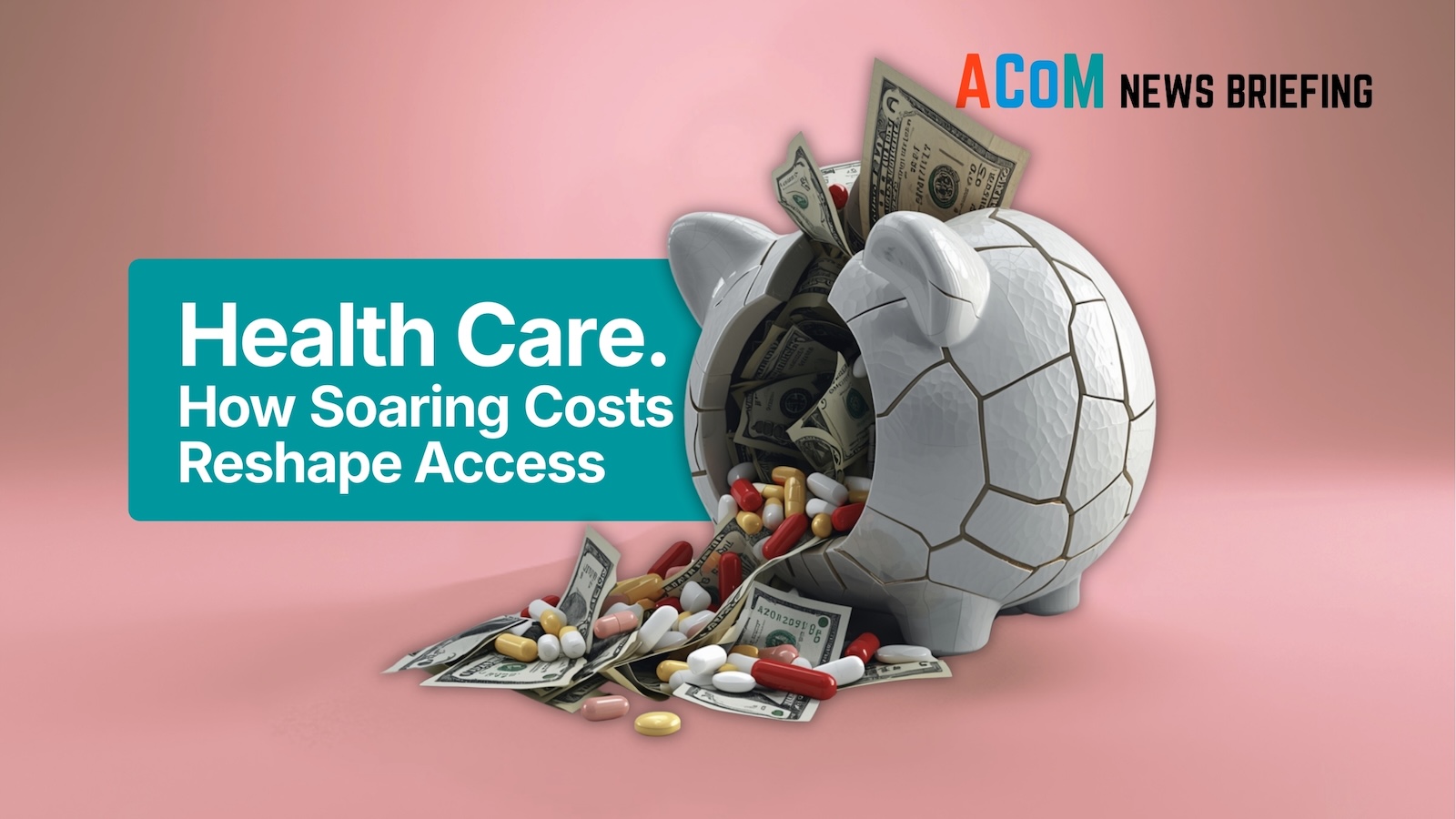
Costs are expected to rise further as the ACA’s enhanced premium tax credits expire. With the expiration of the Affordable Care Act (ACA) premium tax credit, healthcare and insurance costs continue to rise. As many states recently ended their ACA open enrollment periods, many insured individuals have found that their monthly premiums have almost doubled this year. As open enrollment ends this week in many states, millions of Americans enrolled in ACA plans have signed on to monthly premiums at double the cost. Four million people are expected to drop out of health insurance coverage entirely. And small businesses are scrambling to insure their employees even as premiums sharply rise. Speakers this week discussed the factors behind the high cost of coverage and care, including pharmaceuticals, and offered options for addressing the widening gap in health care access.
Merith Basey, Executive Director, Patients for Affordable Drugs stated that the persistently high drug prices in the United States are primarily due to pharmaceutical companies maintaining market monopolies through the patent system. Drug prices are entirely set by the pharmaceutical companies themselves, with a lack of government negotiation mechanisms. She pointed out that research shows that once generic drugs enter the market, the prices of existing drugs can decrease by an average of 39%; if there are five to six competitors, the price reduction can even reach 95%. Therefore, pharmaceutical companies have long used various means to delay the launch of generic drugs. She points out that this drug price negotiation mechanism has been in effect within the Medicare system since January 1st of this year, and the new prices of some drugs included in the negotiations (including diabetes medications, insulin, and cancer and immunotherapy-related drugs) are about 63% lower than before. She says that more high-priced drugs are expected to be included in the negotiations in batches over the next few years, which is expected to reduce the medication costs for more Medicare beneficiaries.
Dr. Neale Mahoney, Professor of Economics at Stanford University and George P. Shultz inaugural fellow at the Stanford Institute for Economic Policy Research said high health care prices simultaneously impact federal budgets, businesses and households. Healthcare-related spending currently accounts for about a third of the federal budget, and the average annual cost of home health insurance has reached $27,000, weighing particularly heavily on small and medium-sized businesses, he said. In addition, about 160 million people who are insured through their employers have seen their out-of-pocket premiums and deductibles increase significantly faster than their salaries. Mahoney believes that in addition to controlling prices, increasing the supply of healthcare personnel is equally crucial, including relaxing restrictions on physician training quotas, foreign healthcare personnel, and expanding the scope of practice for nursing and advanced medical personnel, in order to shorten waiting times and improve accessibility to healthcare.
Anthony Wright, Executive Director, Families USA pointed out that with the expiration of the ACA’s extended premium tax credit in January, many families have experienced drastic changes in their premium expenses. Families that previously paid only tens of dollars or even zero dollars per month now have to bear hundreds of dollars. For those aged 50 to 60, some families have spent as much as $10,000 to $15,000 on health insurance this year. Wright cited preliminary data indicating that approximately 1.4 million people have lost insurance or switched to lower-coverage plans due to rising premiums, and this may only be the tip of the iceberg. He pointed out that many people automatically renewed their policies at the beginning of the year, and with the grace period ending, even more people may be unable to afford the high premiums and lose their coverage in the coming months.
Also Read: Are we now cutting healthcare to the bone?