
Pilot program launched last September aims to reduce severe crashes in high-risk areas; Varner Road follows Avalon Blvd in Los Angeles County as a designated corridor
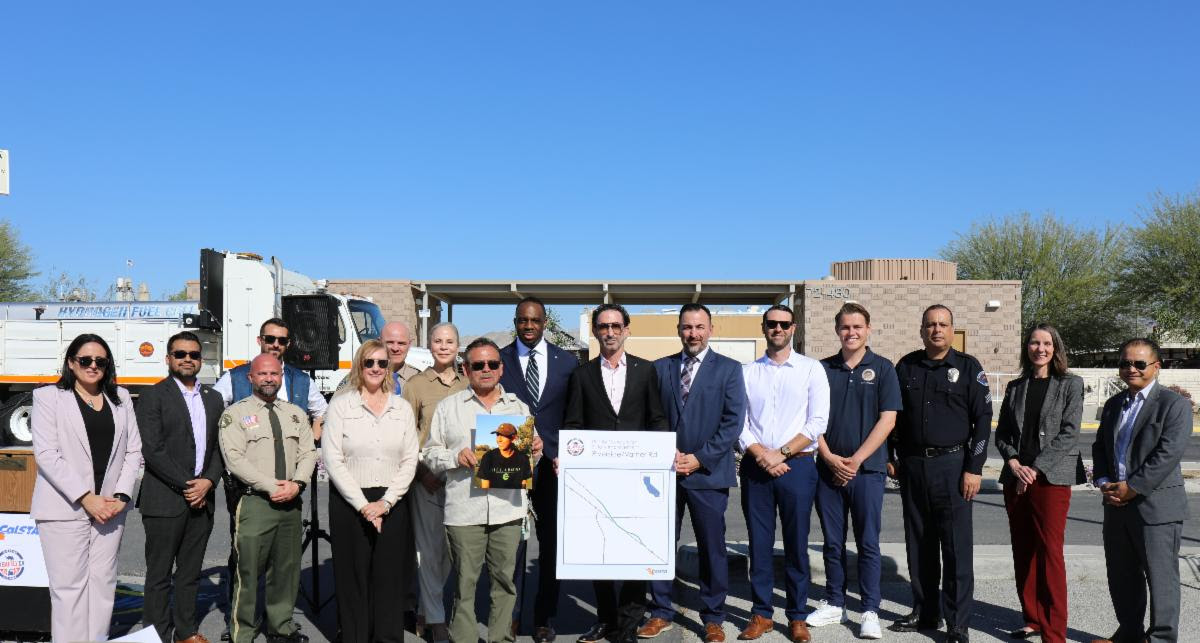
THOUSAND PALMS: California Transportation Secretary Toks Omishakin, Caltrans Director Dina El-Tawansy, California Highway Patrol Commissioner Sean Duryee, California Office of Traffic Safety Director Stephanie Dougherty and other city and state partners today announced Varner Road in Thousand Palms (Riverside County) as the latest priority corridor in conjunction with the state’s effort to decrease major crashes in high-risk areas.
The Varner Road safety corridor spans 2.3 miles from slightly north of Bob Hope Drive to just south of Monterey Avenue in the Coachella Valley. This stretch of roadway has experienced 17 fatal/serious injury (FSI) crashes between 2019 and 2023, resulting in four fatalities and 25 serious injuries. The pilot project is designed to implement safety measures that address low-visibility incidents identified in recent collision data. Raised medians, rumble strips, longitudinal striping, upgraded lighting and signage and a reduction in on-street parking represent a few potential safety improvements.
In October 2025, Secretary Omishakin and California Health and Human Services Agency Secretary Kim Johnson signed the Policy on Road Safety, committing California to a prevention-first Safe System Approach to eliminate fatal and serious traffic injuries. The Agency Secretaries shared that Avalon Boulevard would serve as the first in a small, diverse set of corridors to allow for testing, learning and visible progress towards making roads safer in high-risk thoroughfares in the Golden State. This phased approach is building momentum for statewide expansion, making corridor-based interventions a routine aspect of California’s transportation strategy.
“The best road safety initiative is prevention, and the State Priority Safety Corridor initiative will save lives,” said Secretary Omishakin. “This data-driven collaboration with state and local government partners will guide us towards the best use of transportation investments that align with community safety needs.”
As part of the initiative, the state for the first time analyzed data from all public roads including state highways, city streets and county roads. The most recent statewide data, from 2023, confirms 3,612 fatalities and 14,392 serious injuries in California on both the State Highway System and local roads. Additional safety corridor locations are still being reviewed.
“This project represents exactly how we reduce severe and fatal crashes by working together and focusing our efforts where the data shows lives are at risk,” said CHP Commissioner Sean Duryee. “Through strong collaboration with our state and local partners, this project will improve safety, enhance enforcement and help ensure everyone who travels this corridor gets home safely.”“This proactive effort targets the root causes of serious crashes and makes long-term, tangible investments that support our goal to deliver proven enhancements designed to save lives and create safer roadways for everyone,” said Caltrans Director El-Tawansy.
The initiative brings together infrastructure improvements, public engagement and policy innovation to create safer, more connected corridors and may include:
Safe Crossings and Intersections: Expect high-visibility markings, upgraded signal timing and intersection designs that reduce conflict points and improve pedestrian safety.
Connected Options: Enhancements will support safe walking, biking and transit access—ensuring mobility for all.
Education and Engagement: The new SLOWCAL campaign will raise awareness and foster community involvement through outreach and education.
Law Enforcement Partnerships: Where desired by communities, law enforcement will play a supportive role shaped by local priorities.
Speed Management: Measures include speed safety cameras and other tools to promote safe operating speeds.
Corridors were identified in partnership with UC Berkeley SafeTREC using a High Injury Network method applied to five years of crash data (2019–2023, with 2023 provisional). Sites rose to the top based on analysis of safety data, varied contexts and partner readiness.
Success will be tracked through reductions in fatal and serious-injury crashes. Leading indicators — such as vehicle speeds, conflict points and telematics data (including braking and acceleration patterns) — will help detect risk early and guide proactive adjustments.
For information about transportation projects transforming communities throughout the state, visit: Build.ca.gov.