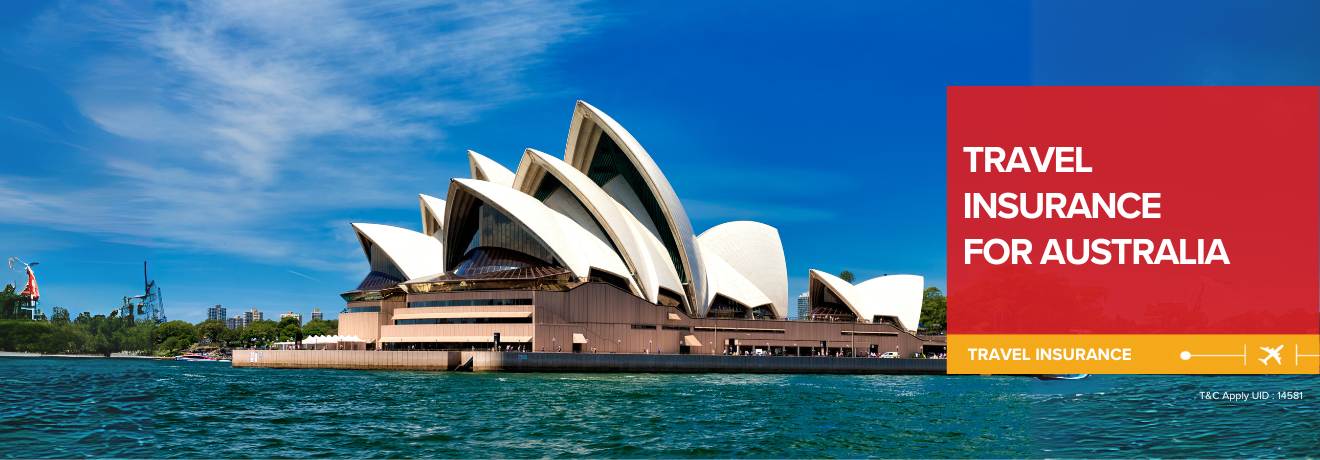
Planning an Australia trip on a holiday visa is exciting, but it also comes with a few what-if moments you do not want to handle after landing. A twisted ankle during a hike, a sudden infection, a delayed flight that forces a hotel stay, or a stolen phone can quickly turn into an expensive headache, especially when you are paying in a foreign currency and navigating unfamiliar processes. That is why buying Australia travel insurance is not just a box to tick.
Below is a guide to the policy terms you should verify before you purchase.
Medical Cover, Cashless Treatment, and Emergency Support
Medical cover is the heart of an overseas policy, whether you are buying cover for Australia or even travel insurance for a Schengen visa. Verify which medical expenses are included and which are not. Some plans focus on hospitalisation, while others may also cover emergency outpatient care, ambulance services, and prescribed medicines.
- Is there a 24/7 helpline?
- Does the policy support cashless authorisation at certain hospitals, or is it reimbursement-only?
- Are you required to contact the assistance team before admission, except in extreme emergencies?
Pre-Existing Conditions and Disclosure Rules
This is where many claims fail. A pre-existing condition could be anything for which you had symptoms, received treatment, or were diagnosed before buying the policy.
- How the insurer defines a pre-existing condition
- Whether coverage is available as an add-on (and under what terms)
- Whether the policy has waiting periods or stability requirements
- Whether non-disclosure can lead to claim denial, even if the emergency seems unrelated
Adventure Activities, Road Trips, and Water Sports
Australia holidays often include snorkelling, coastal drives, surfing lessons, hiking trails, or theme parks. Many of these fall under adventure or hazardous activities in policy language.
- Which activities are covered by default, and which require an add-on
- Whether depth limits, professional supervision, or safety equipment are required
- Whether self-drive is covered for accidents, and what documents are needed (licence rules, rental agreement, local compliance)
Trip Cancellation, Curtailment, and Travel Delays
Holiday visas are often planned months in advance. Cancellation and curtailment cover can help if you must cancel or cut short the trip due to specific, listed reasons.
- Covered triggers (medical emergencies, hospitalisation, certain family emergencies, and similar defined reasons)
- Exclusions (known events, change of mind, predictable disruptions, or failure to meet documentation requirements)
- Whether bookings must be refundable or whether the policy covers non-refundable portions
Baggage, Gadgets, and Passport-Related Support
Lost baggage and stolen phones are more common than people like to admit. However, baggage clauses usually have strict conditions.
- Sub-limits on electronics and valuables
- Depreciation rules (the insurer may not pay full replacement value)
- Requirements for reports (airline documentation for baggage issues, police report for theft)
- Exclusions for unattended baggage or items left in a vehicle
Personal Liability and Accidental Damage
Personal liability cover can help if you accidentally injure someone or damage property. This matters in countries where legal and medical costs can escalate quickly.
- It covers third-party injury or property damage caused by you.
- Helpful when accidents happen in hotels, rentals, or public spaces.
- Legal expenses can rise quickly, so cover offers relief.
- Check exclusions for vehicles, alcohol, and reckless behaviour.
Excess, Sub-Limits, and Small Print That Changes Everything
Two travellers can buy plans with the same headline medical cover and still have very different experiences because of excess and sub-limits.
- The excess amount per claim (and whether it applies separately to different benefits)
- Sub-limits for common claims (dental emergencies, OPD, gadgets, baggage)
- Any special exclusions tied to alcohol, negligence, or non-compliance with local rules
Claims Process, Documents, and Reporting Timelines
Even the best plan fails if you miss the process requirements.
- Informing the assistance team as early as possible of hospitalisation
- Keeping original bills, prescriptions, discharge summaries, and payment proofs
- Filing reports quickly for theft, loss, or baggage incidents
- Submitting claim forms and documents within the timelines mentioned in the policy
Conclusion
Australia is a wonderful holiday destination, but a holiday visa trip still deserves serious risk planning. The smartest way to buy Australia travel insurance is to verify the clauses that decide claim outcomes: medical scope, exclusions, sub-limits, excess, activity coverage, and claim steps. When you treat policy wording as part of trip prep, you travel with more confidence and far fewer unpleasant surprises.
Also Read: How Two-Wheeler Insurance Premiums Are Calculated?