Planning an international trip involves more than booking flights, reserving hotels and preparing an itinerary. Unexpected medical emergencies, baggage problems or cancelled journeys can quickly turn an enjoyable holiday into a stressful experience. This is where travel insurance can help, offering financial protection against certain unexpected expenses, depending on the policy. However, insurance plans differ in their benefits, exclusions and limits, so understanding what your destination requires can help you choose suitable protection before leaving home.
The demand for travel to Europe remains substantial. According to the European Commission, EU and Schengen-associated consulates received nearly 12 million short-stay visa applications in 2025, representing a 1.8% increase from 11.7 million in 2024. The figures, published on 28 May 2026, highlight the continued interest in visiting Europe. For travellers preparing a European holiday, understanding visa documentation and insurance requirements is a practical part of planning. Choosing the right policy early can help avoid last-minute confusion and make the preparation process smoother.
What Is Travel Insurance and What Does It Cover?
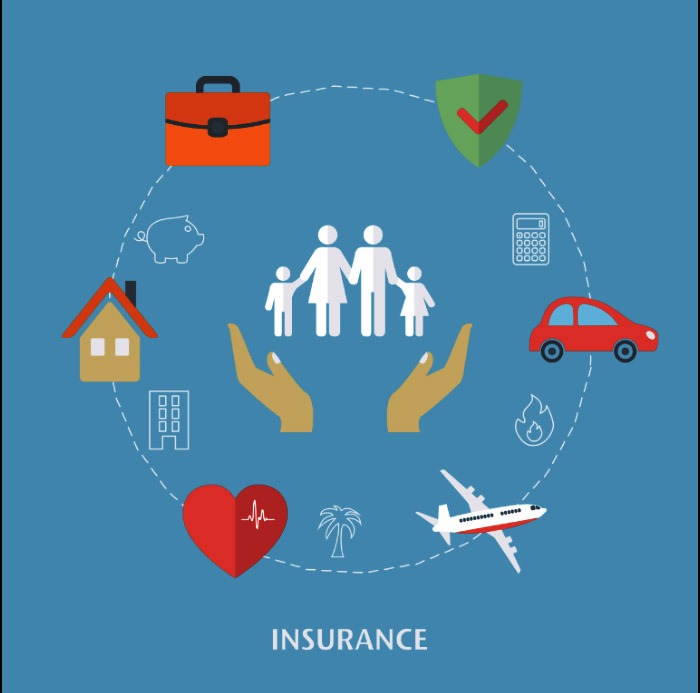
Travel insurance is designed to protect travellers against selected financial losses that may occur before or during a trip. Depending on the plan, benefits can include emergency medical treatment, hospitalisation, baggage loss, travel delays and trip cancellation under eligible circumstances. The coverage available depends on the insurer’s terms, so two policies with similar prices may offer quite different levels of protection.
Consider a traveller who develops an illness while visiting another country and needs urgent medical attention. Without suitable insurance, the cost of treatment could become a significant financial burden. A policy with appropriate medical benefits may cover eligible expenses, subject to its limits and exclusions. Some plans also provide emergency assistance services, helping travellers find medical facilities or understand the steps involved in arranging treatment abroad.
However, a general travel policy may not automatically satisfy every country’s visa requirements. A plan could offer baggage protection and cancellation benefits but still fall short of the medical coverage required for a particular destination. Travellers should therefore consider both the practical risks of their journey and any official insurance conditions that apply.
What Makes Schengen Travel Insurance Different?
The Schengen Area allows eligible travellers to move between participating European countries without routine internal border checks, subject to applicable entry conditions. For visitors who need a uniform Schengen visa, travel medical insurance is part of the application requirements. This makes checking the policy’s validity and coverage especially important before submitting visa documents.
Article 15 of the EU Visa Code requires travel medical insurance for a uniform Schengen visa to cover the entire intended stay or transit, remain valid across the relevant Member States and provide minimum coverage of €30,000. It must also cover expenses associated with medical repatriation, urgent medical attention, emergency hospital treatment or death, as specified by the applicable rules. Applicants should verify that their policy satisfies these conditions rather than assuming that any international insurance plan will be accepted.
For travellers visiting multiple European destinations, Schengen travel insurance should match the complete itinerary and the requirements of the visa being requested. Checking the insurance certificate, geographical coverage and dates before applying can help prevent avoidable documentation problems. If the policy wording is unclear, contacting the insurer for clarification is a sensible step.
Key Differences Between the Two Insurance Types
The main difference is the purpose and eligibility of the coverage. General travel insurance is intended to protect against selected travel-related risks, while insurance used for a uniform Schengen visa must meet the relevant medical coverage requirements. A policy can offer both types of protection, but travellers need to confirm its actual benefits rather than relying on its marketing description.
Coverage limits also deserve attention. General policies may offer different medical benefit amounts depending on the destination, trip duration and selected plan. Other benefits, such as baggage protection, cancellation reimbursement and travel delay assistance, can vary considerably. Reading the policy documents helps travellers understand which expenses qualify for reimbursement and which circumstances are excluded.
The destination and purpose of the journey should guide the decision. Someone taking a domestic holiday may prioritise cancellation protection or baggage benefits, whereas a visitor applying for a Schengen visa must also consider the applicable medical insurance conditions. The right policy is one that meets the journey’s requirements while providing useful protection for the traveller’s circumstances.
Choosing the Right Policy Through MakeMyTrip
Before purchasing a policy, start by checking your destination, travel dates, planned activities and the type of protection you need. If you are visiting Europe, confirm that the policy meets the applicable visa requirements and provides an insurance certificate suitable for your application. MakeMyTrip can be a starting point for exploring travel-related insurance options, but the individual policy documents should always guide your final decision.
Medical protection is only one consideration. Depending on your needs, you may also want benefits for baggage loss, trip interruption, eligible cancellations or emergency assistance. Read the exclusions carefully, especially those concerning pre-existing medical conditions, adventure activities and claims that require prior approval. A cheaper policy may not provide the protection you expect if its limits are restrictive.
It is also worth checking whether your insurance covers every date in your itinerary, including relevant transit periods. Keep the policy certificate and emergency contact details accessible while travelling. Understanding how to contact the insurer and submit a claim before departure can save time if an unexpected situation arises.
Common Mistakes to Avoid When Buying Travel Insurance
One common mistake is assuming that every international insurance policy meets Schengen visa conditions. Applicants should check the official requirements and confirm the policy’s medical benefits, territorial validity and dates before submitting their documents. If any requirement is unclear, seek confirmation from the insurer rather than relying on assumptions.
Another mistake is choosing a plan based only on its premium. A low-priced policy may include deductibles, exclusions or limits that reduce the protection available when a claim occurs. Travellers should also enter accurate travel dates and review their itinerary carefully, particularly when connecting journeys or changes to the original travel plan are involved.
Make Your Next Journey More Secure
Travel insurance can help manage unexpected expenses, but the right policy depends on your destination and personal needs. For a Schengen visa, checking the specific medical coverage conditions is essential. Compare benefits, read exclusions and confirm the validity dates before purchasing. Taking these steps early can simplify visa preparation and help you travel with greater confidence, knowing what your insurance covers and how to use it when necessary.