
“What will people say?” In many South Asian homes, that question carries more weight than almost any other. It shapes who we marry, what we study, and how we talk about money. It also shapes what we don’t talk about, and few things go unspoken as completely as a family member’s drinking or drug use.
A son who “just likes a few drinks” at every gathering. An uncle whose temper changes after dinner. A daughter at college who seems to have stopped sleeping. Many families notice. Very few say anything out loud, and fewer still ask for help outside the family.
A treatment gap that starts with silence
The numbers suggest the hesitation is real. According to the US Department of Health and Human Services’ Office of Minority Health, Asian American adults were 45% less likely than US adults overall to have received mental health treatment in the past year, based on 2024 data. That figure covers Asian Americans as a whole, not South Asians specifically, and it’s about mental health rather than substance use. But anyone who has grown up in a South Asian family will recognize the pattern behind it.
Problems are handled privately. Elders are consulted before professionals. Admitting that someone is struggling can feel like admitting the family has failed, and that fear of judgment from relatives, the temple or the wider community is often stronger than the fear of the problem itself.
Why addiction is especially hard to name
Alcohol and drugs carry extra layers of stigma in many South Asian communities. Drinking may be normal at weddings and parties but shameful to discuss. Drug use can be seen as something that happens to “other” families. Mental health struggles, which often sit alongside substance use, are sometimes dismissed as stress, weakness or a phase.
The result is that people who need help often go without it for years. Families cover for missed work, make excuses at gatherings and quietly hope things will improve. Sometimes they do. Often they don’t, and the problem is much harder to treat by the time anyone acts.
What families can do differently
Breaking a long silence doesn’t require a dramatic confrontation. It usually starts with small, steady changes.
Talk to the person, not about them. Conversations between relatives behind closed doors can feel supportive, but they rarely reach the person who needs help. Choose a calm, private moment and speak to them directly.
Lead with care, not honor. “I’m worried about you” lands very differently from “Think about what this does to the family’s name.” Shame tends to push people further into hiding.
Separate the person from the behavior. Someone struggling with drinking or drugs is still a son, daughter, parent or sibling. Saying so out loud can make it easier for them to listen.
Learn the basics before you speak. Understanding what addiction is, and what treatment looks like, makes it easier to answer questions and harder to be brushed off.
Bring in help from outside the family. A family doctor, a counselor or a treatment provider can offer advice that elders and relatives can’t. Many communities also have culturally aware therapists who understand the pressures South Asian families face.
Why “handling it at home” can be risky
One of the most common instincts is to keep everything inside the house, including stopping. A relative might try to quit cold turkey under the family’s watch, or someone might order “detox” products online hoping no one outside will ever need to know.
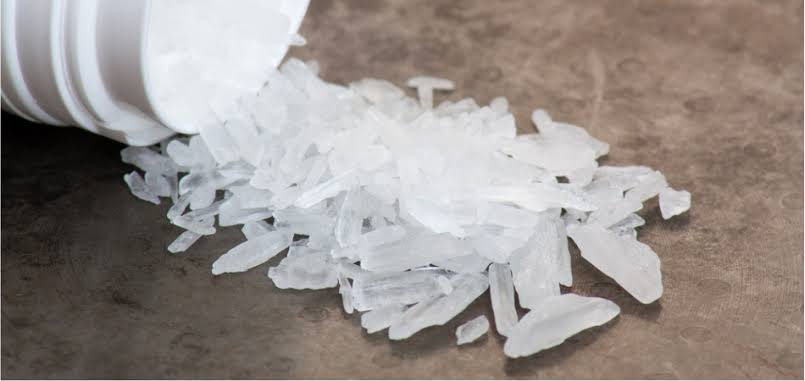
With some substances, that can be dangerous. Stopping methamphetamine, for example, can bring severe exhaustion, deep low mood and strong cravings, and some people need medical and mental health support to get through the early days safely. This guide to meth withdrawal and why at-home cleanses fall short explains the warning signs that mean someone needs urgent care. The same principle applies to alcohol and many other drugs: a doctor should be involved before anyone stops after heavy, regular use.
Privacy matters, and professional care is confidential. Getting help doesn’t mean the whole community finds out.
Looking after the rest of the family
Parents and spouses often carry the heaviest load, and they rarely ask for support themselves. If you’re the one holding things together, it’s worth finding someone you can talk to honestly, whether that’s a counselor, a support group for families affected by addiction, or a trusted friend outside the immediate circle.
Looking after yourself isn’t selfish. It’s what keeps you able to help.
When to get help right away
Call 911 or go to an emergency room if someone has chest pain, seizures, severe confusion, signs of an overdose, or talks about harming themselves or others. In the US, you can call or text 988 to reach the Suicide and Crisis Lifeline, and SAMHSA’s National Helpline at 1-800-662-4357 offers free, confidential treatment referrals around the clock. For readers in India, Tele-MANAS offers free mental health support 24 hours a day on 14416.
A different question to ask
“What will people say?” will probably always be part of South Asian family life. But there’s a better question for moments like these: what will happen if we say nothing? Families who answer that honestly are often the ones who get their loved ones back.
Sources
- S. Department of Health and Human Services, Office of Minority Health. Mental and behavioral health (Asian American data for 2024; page counts as of 27 May 2026). https://www.minorityhealth.hhs.gov/mental-and-behavioral-health
- SAMHSA National Helpline (number as previously verified on the SAMHSA helpline page). https://www.samhsa.gov/find-help/helplines/national-helpline
- Tele-MANAS (helpline information). https://jipmer.edu.in/Tele-MANAS
- Ripple Ranch Recovery Center. Best detox cleanse for meth (client page; read October 2026). https://rippleranch.com/best-detox-cleanse-for-meth/
Also Read: Presidential message on National Alcohol and Drug Addiction Recovery Month