
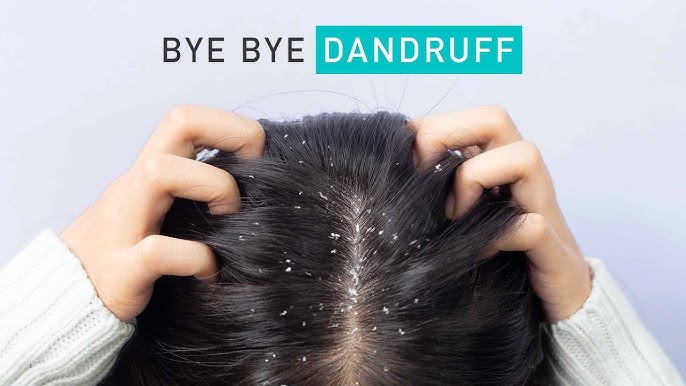
Dandruff is a common scalp condition that affects people of all ages. It often appears as white flakes on the scalp and shoulders and may be accompanied by itching, dryness, or irritation. While dandruff is not a serious medical condition, it can be uncomfortable, embarrassing, and difficult to manage if left untreated.
Many people first try natural dandruff remedies to control mild symptoms. However, when dandruff is persistent or caused by fungal overgrowth, medicated solutions such as Ketoconazole 2% shampoo can play a key role in restoring scalp health. This article explores effective natural remedies for dandruff and explains how Ketoconazole 2% shampoo supports long-term scalp care.
Understanding the Causes of Dandruff
Before choosing a treatment, it is important to understand what causes dandruff. Dandruff can develop due to several factors, including:
- Overgrowth of Malassezia yeast on the scalp
- Excess oil production (oily scalp)
- Dry skin or dehydration
- Poor scalp hygiene
- Sensitivity to hair care products
- Stress and hormonal changes
When dandruff is linked to fungal activity or seborrheic dermatitis, natural remedies alone may not be enough. In such cases, antifungal treatments become necessary.
Natural Remedies for Managing Dandruff
Natural remedies can be helpful for mild dandruff, early symptoms, or as supportive care alongside medicated treatments. These remedies aim to soothe the scalp, reduce dryness, and balance oil production.
1. Coconut Oil Massage
Coconut oil massage is one of the most commonly used natural remedies for dandruff. It helps moisturize a dry scalp and reduce visible flaking caused by dryness. Regular massage with coconut oil can also improve blood circulation to the scalp, which supports overall scalp health. While coconut oil does not directly kill dandruff-causing fungus, it helps soothe irritation and reduce itchiness, making the scalp feel more comfortable.
2. Aloe Vera Gel
Aloe vera gel is known for its calming and cooling properties, which can be helpful for people experiencing scalp itching and redness. Applying aloe vera directly to the scalp helps hydrate the skin and may reduce inflammation associated with dandruff. It is especially beneficial for people with sensitive scalps, as it provides relief without causing dryness or irritation.
3. Tea Tree Oil (Diluted)
Tea tree oil, when properly diluted, can support dandruff control due to its natural antifungal and antibacterial properties. It may help reduce microbial buildup on the scalp, which contributes to flaking and itching. However, tea tree oil should never be applied directly in its pure form, as it can irritate the scalp. Mixing a few drops into a carrier oil or shampoo is a safer way to use it.
4. Apple Cider Vinegar (ACV) Rinse
Apple cider vinegar (ACV) is often used as a scalp rinse to help remove product buildup and balance the scalp’s pH level. A diluted ACV rinse may help reduce excessive oiliness and improve scalp cleanliness. However, it should be used occasionally and rinsed thoroughly, as overuse can lead to dryness or irritation.
5. Proper Hair and Scalp Hygiene
Maintaining proper hair and scalp hygiene is equally important in managing dandruff naturally. Regular washing with a mild shampoo helps remove excess oil, dead skin cells, and dirt from the scalp. Avoiding harsh hair products and ensuring thorough rinsing can prevent residue buildup, which may worsen dandruff symptoms over time.
Limitations of Natural Dandruff Remedies
While natural remedies can provide temporary relief, they may not address the root cause of dandruff in all cases.
Limitations include:
- Limited antifungal strength
- Inconsistent results
- Slower improvement in moderate to severe dandruff
- Symptoms may return once remedies are stopped
If dandruff persists despite regular home care, a medicated treatment is often required.
What Is Ketoconazole 2% Shampoo?
Ketoconazole 2% shampoo is a medicated antifungal soap or shampoo commonly recommended for dandruff and scalp conditions such as seborrheic dermatitis. It works by targeting the fungal organisms responsible for dandruff rather than just masking symptoms.
How Ketoconazole 2% Shampoo Boosts Scalp Health
Ketoconazole 2% shampoo offers targeted treatment for dandruff and supports long-term scalp health in several ways.
1. Controls Fungal Overgrowth
The primary cause of persistent dandruff is fungal overgrowth.
Ketoconazole helps by:
- Reducing Malassezia yeast on the scalp
- Preventing recurrence of flakes
- Treating the root cause of dandruff
2. Reduces Flaking and Scaling
Regular use helps decrease visible flakes and scalp scaling.
Benefits include:
- Cleaner scalp appearance
- Reduced dandruff fall on clothes
- Improved scalp texture
3. Relieves Itching and Inflammation
Dandruff-related itching can disrupt daily life.
Ketoconazole shampoo helps:
- Calm scalp irritation
- Reduce redness and inflammation
- Improve overall comfort
4. Supports Long-Term Scalp Balance
Unlike temporary solutions, Ketoconazole works at a deeper level.
Long-term benefits:
- Maintains a healthy scalp environment
- Helps prevent dandruff recurrence
- Supports healthier hair growth conditions
How to Use Ketoconazole 2% Shampoo Safely
To get the best results, it is important to use the shampoo correctly or you can get a consultation from online pharmacy from where you are getting the product.
General usage guidelines:
- Wet hair and scalp thoroughly
- Apply a small amount of shampoo
- Massage gently into the scalp
- Leave it on for 3–5 minutes
- Rinse thoroughly
Frequency:
- Usually used 2–3 times a week or as advised by a doctor
- Avoid overuse, as excessive application may lead to dryness.
Combining Natural Remedies with Ketoconazole Shampoo
Using natural remedies alongside Ketoconazole 2% shampoo can provide a more balanced and effective approach to dandruff management. While Ketoconazole shampoo works at a deeper level to control fungal overgrowth, the root cause of persistent dandruff natural remedies helps support scalp hydration, comfort, and overall health.
Ketoconazole 2% shampoo should be used as directed, usually two to three times a week, to control dandruff and prevent recurrence. On non-medicated wash days, gentle natural treatments such as coconut oil massage or aloe vera application can help prevent dryness and soothe the scalp. This combination ensures that the scalp remains nourished without interfering with the antifungal action of the shampoo.
Balanced approach:
- Use Ketoconazole shampoo as prescribed
- Support scalp hydration with natural oils between washes
- Maintain a healthy diet and hydration
- Reduce stress, which can worsen dandruff
This combined strategy supports both symptom relief and long-term scalp health.
Conclusion
Natural dandruff remedies such as coconut oil, aloe vera, and tea tree oil can be effective for mild dandruff and scalp dryness. However, when dandruff is persistent or linked to fungal overgrowth, Ketoconazole 2% shampoo plays a crucial role in treating the root cause and restoring scalp health.
By combining proper scalp hygiene, supportive natural care, and targeted antifungal treatment, you can achieve long-lasting relief from dandruff and maintain a healthier scalp. It is important to consult a doctor or dermatologist before starting any new supplement regimen to ensure it suits your personal needs.
Also Read: From Pooja to Party: One Hair Styler, Endless Festive Looks