
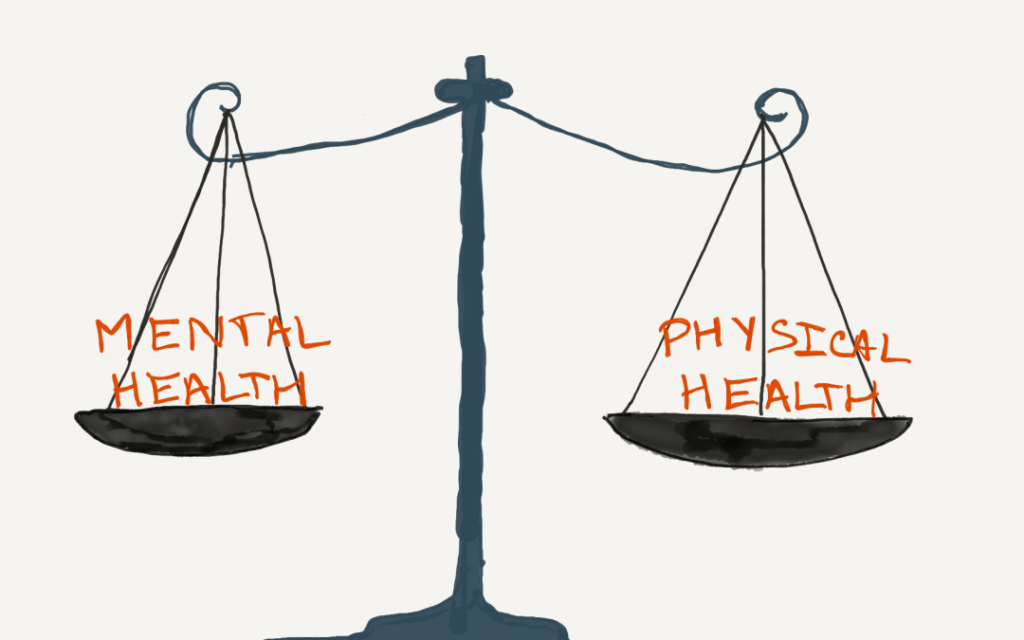
The Mind-Body Connection You’ve Been Overlooking
You wake up exhausted despite sleeping eight hours. Your back aches for no apparent reason. You feel anxious, but you can’t pinpoint why. You might dismiss these as separate issues—poor sleep quality, aging, stress—but what if they’re all connected? What if your body has been trying to tell you something important about your mental health, and you’ve been missing the signals?
The relationship between physical health and mental wellness isn’t just about eating well and exercising regularly. It’s a complex, bidirectional communication system where your body and mind constantly influence each other in ways you might not recognize. Understanding this connection can transform how you approach your overall well-being and help you identify warning signs before they become serious problems.
How Your Body Speaks the Language of Mental Health
Your body doesn’t always express emotional distress through tears or sadness. Sometimes it communicates through physical symptoms that seem completely unrelated to your mental state. This phenomenon, called somatization, affects millions of people who experience genuine physical pain stemming from psychological sources.
Consider chronic headaches. While they can certainly result from dehydration, eye strain, or tension, persistent headaches often signal underlying anxiety or depression. Your nervous system, overwhelmed by emotional stress, manifests that pressure as physical pain. Similarly, digestive issues—bloating, nausea, irritable bowel syndrome—frequently correlate with anxiety disorders. Your gut contains more neurotransmitters than your brain, making it incredibly sensitive to your emotional state.
Muscle tension represents another common physical manifestation of mental distress. When you’re anxious or stressed, your muscles naturally contract as part of your fight-or-flight response. When that stress becomes chronic, those muscles never fully relax, leading to persistent pain in your shoulders, neck, jaw, or back. You might spend months treating the physical symptoms without addressing the underlying emotional cause.
The Inflammation Connection
Recent research has revealed a fascinating link between inflammation and mental health conditions. When you experience chronic stress, your body produces inflammatory markers called cytokines. These proteins trigger your immune system, creating a state of low-grade inflammation throughout your body.
This inflammation doesn’t just affect your joints or cardiovascular system—it directly impacts your brain chemistry. Studies show that elevated inflammatory markers correlate strongly with depression, anxiety, and even cognitive decline. The inflammation interferes with neurotransmitter production and function, particularly serotonin and dopamine, the chemicals responsible for regulating your mood.
What makes this connection particularly important is its cyclical nature. Depression causes inflammation, and inflammation worsens depression. Breaking this cycle requires addressing both the physical and mental components simultaneously. Anti-inflammatory diets, regular exercise, stress reduction techniques, and appropriate mental health treatment all play crucial roles in interrupting this harmful feedback loop.
Sleep: The Foundation of Mental and Physical Health
You’ve heard it countless times: get enough sleep. But understanding why sleep matters so profoundly for both your physical and mental health can motivate you to prioritize it differently.
During sleep, your brain performs essential maintenance work. It consolidates memories, processes emotions, clears out metabolic waste products, and rebalances neurotransmitters. When you don’t get adequate quality sleep, none of these processes complete properly. The result? Impaired emotional regulation, difficulty concentrating, increased anxiety, and heightened stress responses.
The physical consequences extend far beyond feeling tired. Poor sleep quality increases inflammation, disrupts hormone production, weakens your immune system, and elevates your risk for chronic conditions like diabetes and heart disease. Your body literally cannot heal or maintain itself without sufficient restorative sleep.
What many people don’t realize is that mental health conditions and sleep problems create another vicious cycle. Depression disrupts sleep architecture, causing early morning awakening or excessive sleeping. Anxiety makes it difficult to fall asleep or stay asleep. But poor sleep also triggers or worsens depression and anxiety. Addressing sleep quality often becomes a critical component of mental health treatment.
The Role of Data in Understanding Your Personal Patterns
Traditional approaches to health often rely on how you feel at a specific moment during a doctor’s appointment. But your physical and mental states fluctuate throughout the day and week. A snapshot during a fifteen-minute appointment might not capture the full picture of what you’re experiencing.
Technology now enables continuous monitoring of physiological markers that reflect your mental and physical state. Heart rate variability, for instance, indicates how well your nervous system adapts to stress. Lower variability often correlates with anxiety, depression, and chronic stress. Sleep architecture data reveals whether you’re getting adequate deep sleep and REM sleep, both crucial for mental health. Stress levels throughout the day show patterns you might not consciously recognize.
This approach has proven particularly valuable in comprehensive treatment settings. For example, facilities focused on addressing complex conditions like addiction and co-occurring mental health disorders have begun incorporating biometric monitoring to create more responsive, personalized care plans. The Holland Pathways background illustrates how real-time physiological data can inform treatment decisions, allowing clinicians to identify concerning patterns before they escalate into crises.
For your personal wellness journey, tracking basic metrics like sleep duration and quality, daily stress levels, and physical activity can reveal connections you hadn’t noticed. You might discover that your anxiety spikes correlate with poor sleep two nights earlier, or that your mood improves significantly on days you exercise, even briefly. These insights empower you to make proactive choices rather than simply reacting to symptoms.
The Gut-Brain Axis: Your Second Brain
Your digestive system contains approximately 100 million neurons—more than your spinal cord. This enteric nervous system communicates constantly with your brain through the vagus nerve, creating what scientists call the gut-brain axis.
The bacteria living in your gut, collectively called your microbiome, play a surprisingly significant role in your mental health. These microorganisms produce neurotransmitters, including about 90% of your body’s serotonin. They influence inflammation, regulate stress hormones, and affect how your brain processes emotions.
When your gut microbiome becomes imbalanced—through poor diet, antibiotics, chronic stress, or illness—it can directly impact your mental health. Research links gut dysbiosis to depression, anxiety, and even conditions like autism and Parkinson’s disease. The connection works both ways: chronic stress and mental health conditions alter your gut bacteria composition, creating another problematic feedback loop.
Supporting your gut health through diverse, fiber-rich foods, fermented products containing probiotics, and stress management can positively influence your mental wellness. Many people report improved mood, reduced anxiety, and better cognitive function after addressing gut health issues they didn’t realize were connected to their mental state.
Exercise: More Than Physical Fitness
You know exercise benefits your cardiovascular health, maintains healthy weight, and builds strength. But its impact on mental wellness rivals any pharmaceutical intervention for many people.
Physical activity triggers the release of endorphins, your body’s natural mood elevators. It also increases production of brain-derived neurotrophic factor (BDNF), a protein that supports neuron growth and protects existing brain cells. Regular exercise literally helps your brain build new connections and maintain cognitive function.
Beyond neurochemistry, exercise provides psychological benefits. It offers a healthy coping mechanism for stress, creates structure in your day, provides opportunities for social connection, and generates a sense of accomplishment. The mindfulness aspect of focusing on physical movement can interrupt rumination and anxious thought patterns.
You don’t need intense workouts to experience these benefits. Research shows that even moderate activity—a 30-minute walk, gentle yoga, swimming—produces significant mental health improvements. The key is consistency rather than intensity. Finding movement you genuinely enjoy increases the likelihood you’ll maintain it long-term.
Recognizing When Professional Help Becomes Necessary
Understanding the mind-body connection empowers you to take proactive steps for your wellness. However, it’s equally important to recognize when self-care strategies aren’t sufficient and professional intervention becomes necessary.
If physical symptoms persist despite medical evaluation ruling out organic causes, consider whether emotional or psychological factors might be contributing. Chronic pain, digestive issues, headaches, or fatigue that don’t respond to conventional treatment often have mental health components requiring specialized attention.
Similarly, if you notice your mental health affecting your physical functioning—disrupted sleep, changes in appetite, loss of interest in activities, persistent low energy—these signs warrant professional evaluation. Mental health conditions are medical conditions deserving proper treatment, not character flaws you should overcome through willpower alone.
Co-occurring conditions—where mental health issues and physical health problems exist simultaneously—require integrated treatment approaches. Addressing only one aspect while ignoring the other rarely produces lasting improvement. Comprehensive care that acknowledges and treats the full complexity of your experience yields better outcomes.
Practical Steps for Supporting Your Mind-Body Health
Armed with understanding of how intimately your physical and mental health connect, you can implement strategies that support both simultaneously.
Start by establishing consistent sleep hygiene. Go to bed and wake at the same times daily, even on weekends. Create a dark, cool sleeping environment. Limit screen time before bed, as blue light suppresses melatonin production. If sleep problems persist, consult a healthcare provider rather than accepting poor sleep as inevitable.
Prioritize anti-inflammatory nutrition. Focus on whole foods—vegetables, fruits, whole grains, lean proteins, healthy fats from sources like fish, nuts, and olive oil. Limit processed foods, excess sugar, and refined carbohydrates that promote inflammation. Stay adequately hydrated, as even mild dehydration affects mood and cognitive function.
Incorporate regular movement into your routine. Find activities you enjoy rather than forcing yourself through workouts you dread. Walking, dancing, swimming, cycling, yoga—all provide benefits when done consistently. Aim for at least 150 minutes of moderate activity weekly, but remember that some movement always beats none.
Develop stress management practices that work for your lifestyle. Meditation, deep breathing exercises, progressive muscle relaxation, journaling, or time in nature all help regulate your nervous system. Experiment to discover what resonates with you personally.
Build and maintain social connections. Isolation negatively impacts both mental and physical health, while meaningful relationships provide protective benefits. Make time for people who support and energize you, even when you don’t feel like socializing.
Consider tracking basic health metrics to identify personal patterns. Note your sleep quality, energy levels, mood, stress, and physical symptoms. Over time, you’ll likely notice connections that help you make more informed choices about your daily habits.
The Path Forward
Your body and mind aren’t separate entities operating independently—they’re aspects of one integrated system constantly communicating and influencing each other. Physical symptoms often reflect emotional distress. Mental health conditions manifest through physical changes. Inflammation, sleep quality, gut health, and stress all interconnect in complex ways that affect your overall wellness.
This understanding shouldn’t overwhelm you. Instead, let it empower you to approach your health holistically. When you address your physical health, you’re supporting your mental wellness. When you tend to your emotional needs, you’re protecting your physical health. Every positive choice creates ripple effects throughout your entire system.
You don’t need to implement every strategy simultaneously or achieve perfection. Small, consistent changes accumulate into significant improvements over time. Start where you are, with what feels manageable. Pay attention to how your body and mind respond. Adjust based on what you learn about your personal patterns and needs.
Most importantly, remember that seeking professional help when you need it represents strength, not weakness. Your health—mental and physical—deserves proper attention and care. Whether that means consulting your primary care physician about persistent symptoms, working with a mental health professional, or accessing comprehensive treatment for complex conditions, taking that step demonstrates self-respect and wisdom.
Your body has been speaking to you all along. Now that you understand the language better, you can respond with the care and attention you deserve. The journey toward integrated mind-body wellness is ongoing, but each step you take builds a foundation for a healthier, more balanced life.
Also Read: The Shame Trap: Why ‘I Should Be Over This’ Keeps People Stuck