
You made a decision, or you are close to making one. Maybe it came after a rough morning, a conversation with someone who loves you, or a quiet moment when you admitted that things need to change. Whatever brought you here, that decision took real courage, and it deserves to be acknowledged.
The first month of recovery from substance use is often the most uncertain stretch. Your body is adjusting, your routines are shifting, and your emotions may feel louder than they have in years. The good news is that this period is also one of the most workable. With some preparation and the right support, you can move through it one day at a time and set a foundation for the months ahead.
This guide walks through what to expect and how to look after yourself. It also covers how to build a daily rhythm that supports your goals, and how to stay honest with yourself and the people in your corner.
Why the First Few Weeks Feel So Hard
When you use alcohol or other substances regularly, your brain and body adapt. Your nervous system adjusts its chemistry to function alongside the substance. When you stop, it takes time to rebalance, and that adjustment period is what produces withdrawal symptoms, mood swings, poor sleep, and strong cravings.
Knowing this can change how you interpret what you feel. A restless night does not mean you are failing. A wave of irritability does not mean you have made a mistake. These are signs that your body is recalibrating, and they tend to ease with time, rest, and support.
The emotional side matters just as much. Many people used substances to cope with stress, grief, loneliness, anxiety, or boredom. When the substance is gone, those feelings can rush back with nothing to soften them. You may feel exposed, and that is normal. You are learning to experience your life directly again, and that is a skill you can build.
Take Withdrawal Seriously and Plan for It
One of the most important things you can do is plan for the physical side of stopping. Withdrawal looks different depending on the substance, how long and how heavily you have used it, your overall health, and whether you use more than one substance.
Alcohol and benzodiazepines are two examples where stopping suddenly can be medically dangerous. Withdrawal from these substances can involve seizures, severe confusion, a racing heart, and other serious complications. Opioid withdrawal is rarely life-threatening on its own, but it can cause intense nausea, body aches, anxiety, and sleeplessness. Those symptoms are miserable enough that many people return to use just to make them stop. Stimulant withdrawal often brings deep fatigue, low mood, and sometimes thoughts of self-harm that deserve immediate attention.
Because of these risks, quitting on your own through sheer willpower is not always the safest or most effective route. Supervised care gives you monitoring, medications that can ease symptoms, and people who know what to do if something changes quickly. If you are weighing your options across the Pacific Northwest, you might look into an Oregon medical detox program to understand how supervised withdrawal works, what the first days typically look like, and how it connects to the next stage of treatment.
Whatever route you choose, talk with a physician or addiction medicine professional before you stop, especially if you drink daily, use benzodiazepines, or have other health conditions. Be honest about how much and how often you use. Clinicians are there to help you, not to judge you, and accurate information lets them protect your safety.
Build a Simple Daily Structure
Unstructured time is one of the biggest challenges in early recovery. If your days used to revolve around using, recovering from use, or arranging the next opportunity, a lot of hours are suddenly open. A basic routine fills that space with intention.
You do not need an elaborate schedule. Start with a few anchors:
A consistent wake-up time. Even if your sleep is rough, getting up at the same time each day helps your body clock reset.
Regular meals. Eating at predictable times steadies your blood sugar and your mood. Low blood sugar can feel a lot like a craving, so do not skip meals.
One scheduled commitment each day. That might be a counseling appointment, a support meeting, a walk with a friend, or a work shift. Having something on the calendar gives the day a shape.
A wind-down ritual. Evenings can be tough because they used to be when you used. Replace that window with something calming, such as a shower, a book, a call to a supportive person, or gentle stretching.
Write your plan down and put it where you can see it. When your mind is cluttered, a visible plan makes the next step obvious.
Tell the Right People
Recovery is not meant to be a solo project. You do not have to tell everyone, but you do need a few people who know what you are doing and can check in on you.
Think about who in your life is steady, kind, and honest. That could be a family member, a close friend, a mentor, a faith leader, or a coworker you trust. Ask for something specific. For example: “Could you text me on Sunday evenings?” or “Would you be willing to go for a walk with me a couple of times a week?” Specific requests are easier for people to say yes to, and they keep the support practical.
It also helps to connect with people who have lived through something similar. Peer support groups, whether 12-step, SMART Recovery, or culturally grounded approaches, offer a kind of understanding that is hard to get elsewhere. In Oregon and across the Pacific Northwest, there are in-person and online meetings at nearly every hour, so you can usually find one that fits your schedule and comfort level. If the first meeting does not feel right, try another. Finding the right fit is part of the process.
Take Care of Your Body While It Heals
Substance use takes a toll on sleep, nutrition, and overall physical health. Giving your body what it needs does not replace treatment, but it makes everything else easier.
Sleep. Insomnia is common in the first weeks. Keep your room dark and cool, avoid caffeine after midday, limit screens before bed, and keep a regular bedtime. If sleep problems linger, mention them to your care provider rather than reaching for old habits. There are safe ways to address them.
Food and water. Your body may be depleted. Aim for balanced meals with protein, vegetables, and complex carbohydrates, and drink plenty of water. Do not worry about eating perfectly. Aim for steady and nourishing.
Movement. Gentle exercise lifts mood and helps with stress and sleep. A twenty-minute walk counts. If you live in Portland or elsewhere in the Willamette Valley, a stroll along the river or through a neighborhood park can be a small daily reset. If you are in Central Oregon, the high desert air and trails offer the same. Choose something you can do consistently rather than something intense that you will abandon.
Medical follow-up. Many people discover health issues they had been ignoring, from blood pressure and liver function to dental problems. A checkup in your first month is a form of self-respect and a way to start with accurate information.
Understand Cravings and Triggers
Cravings are a normal part of early recovery. They can feel urgent and overwhelming, but they are temporary. Most peak and pass within a short time, even if it does not feel that way while you are in one.
It helps to know your triggers ahead of time. Common ones include certain people, places, times of day, emotions, and even smells or songs connected to past use. Take a few minutes to write down your top five. Then, next to each, write what you will do instead.
Here are some strategies people find useful when a craving hits:
Delay. Tell yourself you will wait fifteen minutes before making any decision. Often, the intensity drops during that time.
Change your surroundings. Step outside, move to another room, or go somewhere with other people.
Reach out. Call or text one of your support people. You do not need to have the right words. “I am having a hard moment” is enough.
Ride it out. Picture the craving as a wave. Notice where you feel it in your body, breathe slowly, and watch it rise and fall.
Remember your reasons. Keep a short list on your phone of why you chose this path. Read it when your resolve feels shaky.
If you slip, you have not erased your progress. A return to use is a signal to get more support, not a reason to give up. Tell someone you trust, contact your treatment provider, and get back to your plan as soon as you can. Staying honest and acting quickly is what moves you forward.
Pay Attention to Your Mental Health
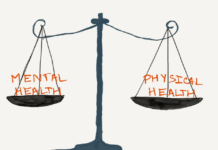
Anxiety, depression, trauma, and other mental health conditions frequently show up alongside substance use. Sometimes they came first, sometimes they developed later, and often they feed each other. Once the substance is out of the picture, symptoms can become more noticeable.
This is one reason many people do best with care that addresses both at once. Treatment for substance use that also accounts for co-occurring mental health conditions gives you a better chance of building stability, because it treats the whole situation rather than one piece of it. If you already see a therapist or psychiatrist for ongoing mental health needs, keep those appointments and let your recovery team know. If you are experiencing thoughts of harming yourself, contact the 988 Suicide and Crisis Lifeline by calling or texting 988, or go to your nearest emergency room.
Think Beyond the First Month
Getting through the first thirty days is a real accomplishment, but it is the beginning. Withdrawal management addresses the physical side of stopping. It does not, on its own, address the habits, relationships, and underlying issues that shaped your substance use. Long-term recovery usually involves some form of continued care.
Depending on your needs, that might include:
Residential treatment, which offers a structured, supportive environment where you can focus fully on recovery for several weeks or months. It can be especially helpful if your home environment is unstable or full of triggers.
Intensive outpatient programs, which provide several hours of therapy and skill-building each week while you continue living at home, working, or attending school.
Sober living, which gives you a drug- and alcohol-free home with peer accountability as you transition back to independent life.
Ongoing counseling and peer support, which help you keep working on the patterns that matter long after formal treatment ends.
When you look into Oregon addiction treatment options, ask practical questions. How long is the program? Is care individualized? How do they handle co-occurring mental health needs? Is there help with employment, education, or legal obligations such as a DUII requirement? What happens after the program ends? A good provider will welcome these questions and answer them plainly. Cost matters too, so ask about insurance and payment options up front.
Hold Yourself Accountable With Kindness
Recovery asks two things of you at once, and they can feel like they pull in opposite directions. You need compassion for yourself, because shame is a heavy weight and it often fuels the very behavior you are trying to leave behind. You also need accountability, because change happens through consistent action, not just good intentions.
Self-compassion does not mean excusing everything. It means speaking to yourself the way you would speak to someone you care about: firm when needed, but never cruel. Accountability does not mean punishment. It means following through on your commitments, being honest when things are hard, and taking responsibility for the next right step.
A few habits make this balance easier:
Do a short daily check-in. Each evening, ask yourself what went well, what was hard, and what you will do tomorrow. Write it down if you can.
Celebrate small wins. A day, a week, a hard conversation handled honestly: these all count. Mark them in a way that feels meaningful to you.
Make amends gradually. You may have relationships that were strained. Rebuilding trust takes time and consistent behavior. You do not have to fix everything in the first month. Focus on being reliable and honest, one day at a time.
Use your support people. Let them see the real picture, not the polished version. Honesty is what lets them help.
A Few Words to Carry With You
Starting recovery can feel like standing at the edge of something vast and unfamiliar. You may not know exactly how it will unfold, and you do not have to. What you need right now is the next step: a doctor’s appointment, a meeting, a phone call, a good meal, a night of rest.
People recover from substance use disorders every day, in Portland, in small towns across Oregon, and all over the world. They come from every background and circumstance. Many of them started exactly where you are, uncertain and tired but willing. They built lives that look very different from the ones they left.
You deserve that kind of life, and you are capable of working toward it. Be patient with the process, stay honest about what you need, and keep reaching for support. The first thirty days are hard, but they are also the days when your future begins to change.
Also Read: Understanding the Hidden Connections Between Physical Health and Mental Wellness